View All Treatments +
An Essential Step for DialysisVascular Access Surgery for Dialysis
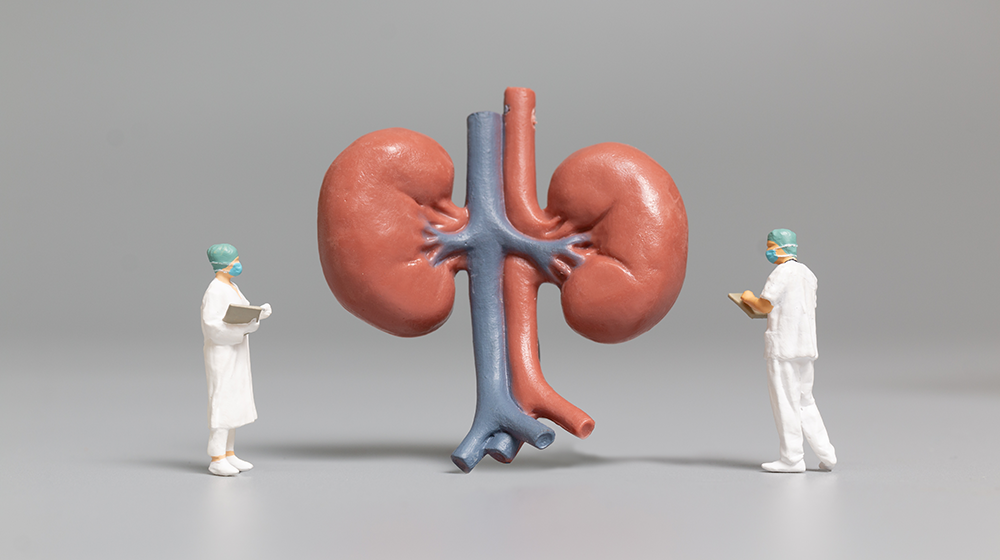
When kidney function declines due to chronic kidney disease, the body cannot filter waste,
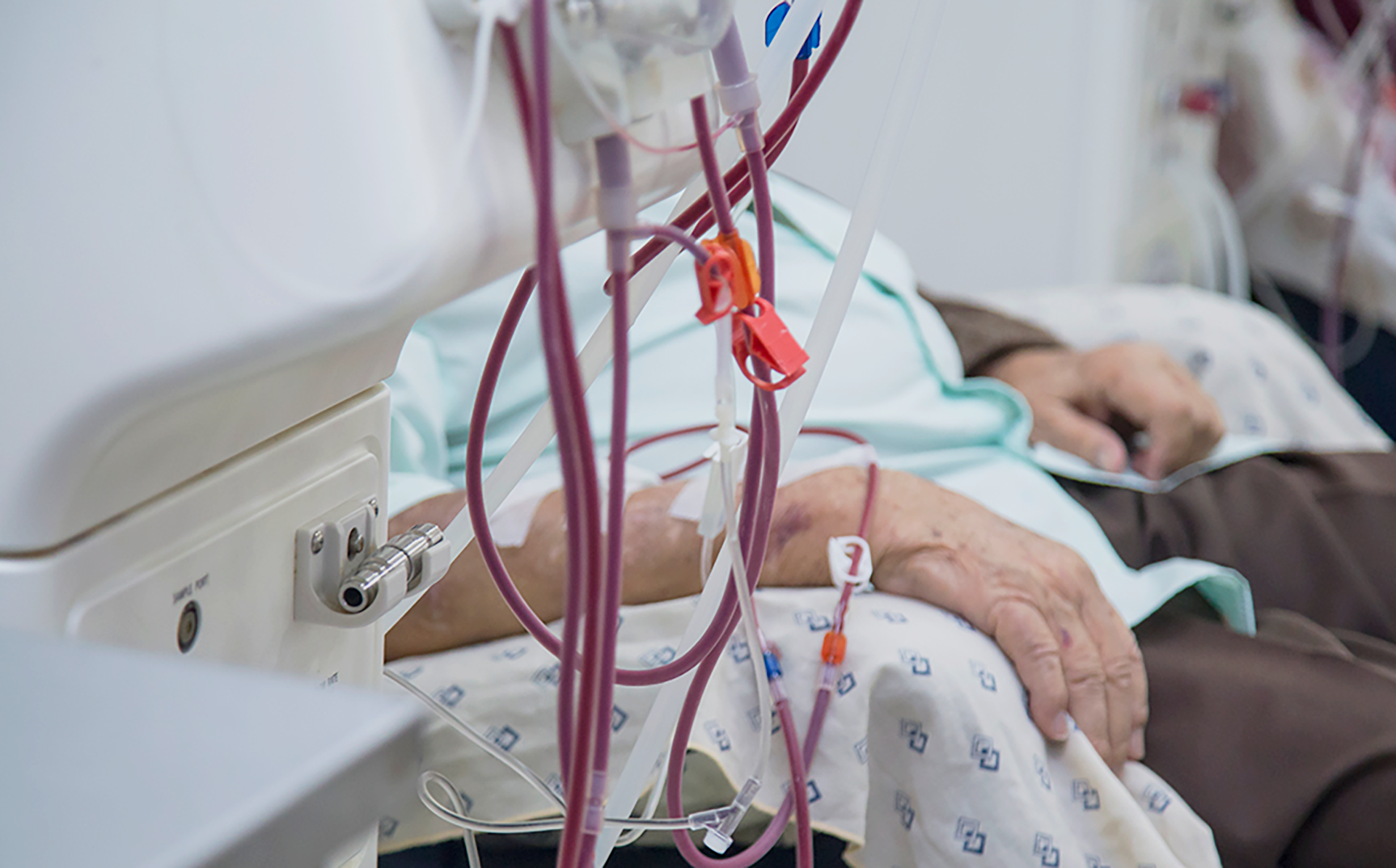
making hemodialysis to remove waste from the blood necessary.
At this time, more than 200ml of blood per minute must be sent to the machine,
but ordinary peripheral veins are too narrow with limited blood flow, making dialysis difficult.
Vascular Access Surgery
By directly connecting an artery and a vein,
a thick, strong vascular pathway is created.
It can withstand repeated needle punctures and
deliver a large, stable blood flow,
making it essential for long-term hemodialysis treatment.
The Need for Dialysis Access
01
Stable Dialysis
Dialysis is a lifelong treatment performed 2–3 times a week over years.
Peripheral veins are easily damaged by repeated use,
but dialysis access (AVF) can be used reliably for the long term.
02
Growing Patient Numbers
The number of end-stage renal disease patients increased from about 9,300 in 2010
to about 18,000 in 2022 — doubling over 12 years.
03
56.6% Patients Over 65
Elderly patients have narrower, weaker veins, making long-term dialysis difficult.
Stable, repeatable access is essential for consistent treatment.
Maturation Time 6–8 weeks
Average Lifespan About 5 years
Feature Fewer complications, longer usability
AVGArtificial Graft
Access
Maturation Time 3–4 weeks
Average Lifespan About 3 years
Feature Used when native vessels are unsuitable
Dialysis Access Management for Stable Dialysis
For long-term stable dialysis,
regular monitoring and management of the access are essential.
Regular ultrasound checks of blood flow and narrowing
can help prevent complications.
It is also important to self-check
your access condition using the guide below.
Dialysis Access Self-Check
If any of the following apply,
you need to consult a vascular specialist.
Pain is worse than usual when inserting the needle
Needle insertion during dialysis is difficult
Bleeding from needle sites does not stop easily after dialysis
Swelling in the hand, arm, or face with dialysis access
Skin color changes in the dialysis arm
Vein feels harder than usual when touched
The thrill of the vein weakens and feels like a pulse
Reasons to Choose Morning Garden
Doctors former professors at SNU & Asan
01
6 angiography suites minimizing waiting time
02
University hospital–level state-of-the-art equipment
03
Dedicated partner hospital desk smooth referrals and procedures available
04
Morning GardenInterventional Radiology Specialists
Based on in-depth knowledge of vascular and organ anatomy
and imaging analysis,
they effectively treat vascular diseases.
M.G CLINICMinimal invasive
By using angiography equipment to monitor vessels
in real time,
they accurately identify treatment areas and perform procedures
with minimal invasiveness.
Morning Garden
Vascular CenterInterventional Radiology& Vascular SurgeryLocation
7 minutes from Seoul Asan Medical Center
1 minute from Exit 8, Cheonho Station
B1-B7, spacious and comfortable parking lot
Address
610 Olympic-ro, Gangdong-gu, Seoul
HyoSung Harrington Tower, 1F & 2F, Cheonho Station
Vascular Center
Mon-Fri 8:30 - 17:30
Saturday 8:30 - 13:00
Sunday Closed